
Teshuvah – the great mitzvah of repentance. We hear the word a lot this time of year, especially so in the days between Rosh Hashanah and Yom Kippur.
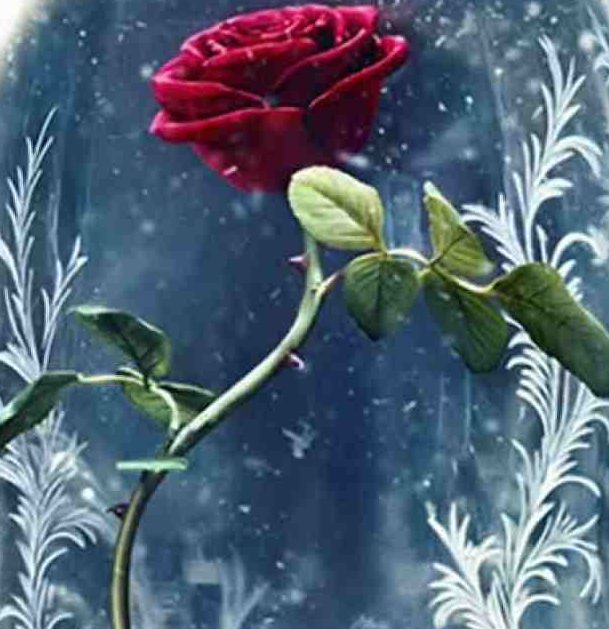
But it’s also a Disney theme. Beauty and the Beast is a story of teshuvah. The Beast’s sins of selfishness and pride bring upon himself and his household the curse. Before that last rose petal falls, the Beast must learn to love and be loved. He must repent or remain a Beast forever.
Think about it for a moment. The Enchantress didn’t turn a Prince into a Beast. Rather, her spell showed him the ugliness already within him. Each member of the household represented their internal character. The reliable Cogsworth became a literal timepiece. The comforting Mrs Potts became as soothing as a cup of tea and the flashy Lumiere became a candelabra.

But the handsome Prince with the dreadful temper and lack of empathy became his inner Beast.
Maimonides teaches that teshuvah has its origins in the Temple and its sacrifices. Part of those sacrifices is vidui – a verbal confession on the part of the wrongdoer. It’s remorse or shame. It’s a determination not to repeat the wrongdoing; to put things right. These are the fundamentals of teshuvah.
Let’s go back to sacrifices. Beauty and the Beast is a story of sacrificial love. Belle chooses life in a cage so that her father can go free. Belle, you might argue, also loved the Beast sacrificially.
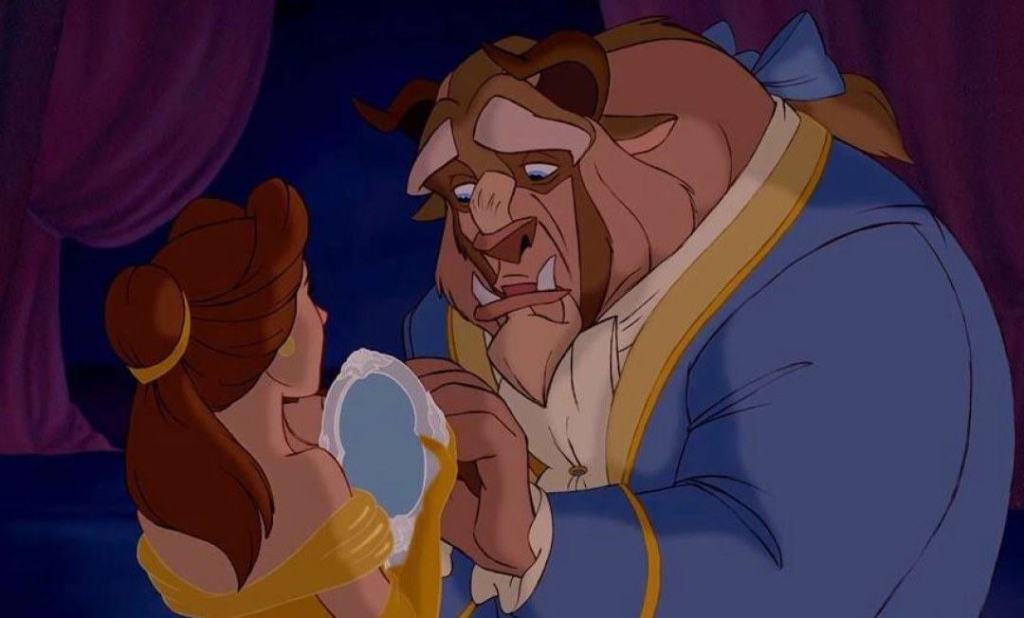
The curse did indeed humble the Beast. The change started even before Belle arrived at the castle. By the time she got there, the Beast desired love. He wanted to love. He was angry, yes, even ashamed. But his humility resulted in him putting others first.
He risked his own life by saving Belle from a pack of wolves, yet before that, he wouldn’t so much as give up a room in his castle for an old woman on a stormy night. Then, in the greatest of sacrifices for the Beast, just as he’s winning Belle over, he lets her go to find her father.
Yes, there are mixed emotions in the Beast’s love. He certainly doesn’t want to be a Beast. But in setting Belle free, he shows his love for her. He puts her first. His love for Belle is stronger than his yearning for the curse to be lifted. He’s repented of his selfishness and pride.
Part of the appeal of this Disney movie is how relatable it is. We all, at some point, have felt something Beastly in us. And we all desire to love and be loved.
This time of year reminds us to reflect. Maybe we haven’t turned away an old lady in need of a room, but there’s probably been a point where we’ve chosen hate (or indifference) over compassion; selfishness over love. And just like the Beast, we need to learn love and humility.
During the Days of Awe, we’re urged to repent our wrongdoings of the previous year. We need to take stock, examine our actions and recognise and regret where things went wrong. Teshuvah – repentance – is one of the most important values in Judaism.
How so? G-d and the Jewish people are linked through the covenant in which G-d promises to be our G-d, and we promise to be His people. It’s sealed in the Torah and made real through the mitzvot. But not even the most devout of people can perform all 613 mitzvot. So, what happens then? Are we barred from the love of the Divine?
That’s where teshuvah comes in – the chance to wipe the slate clean. To repent. G-d’s love is bigger than any wrongdoing we commit. To get G-d’s forgiveness, it takes teshuvah – to humble ourselves and sacrifice pride to make up to those we have wronged.
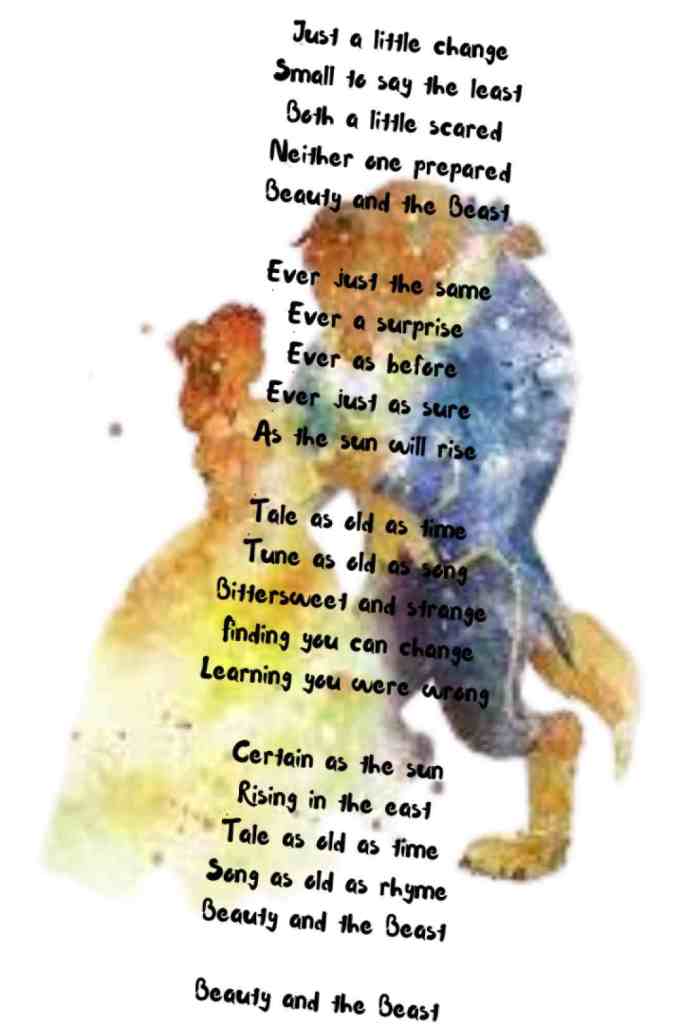
In the closing theme song of Beauty and the Beast, as the Beast once again turns into a Prince, the lyrics ring out “learning to change, admitting we were wrong.” Repentance, confession and reflection are all illustrated in the changed character of the Beast.
There’s an inner beast in all of us. Some of us are just better at hiding it. But while the Beast lets his bad side take centre stage, he eventually starts to make better choices, quelling his nastiness. Every day we have choices. We can choose to make good decisions for ourselves and others. Or we can be destructive and hurtful.
Sacrifice plays a big role in the relationships in Beauty and the Beast. Belle sacrifices her freedom for her father, becoming the Beast’s prisoner. The Beast sacrifices happiness to let Belle go. It’s an endless Disney tale of people sacrificing their needs for the good of others. It teaches us that sacrifice, no matter how hard it might be, may reap big rewards – the quintessential “happily ever after.”
By offering himself as a model of teshuvah, the Beast wipes clean his name and castle and learns to love himself and Belle. It’s a tale as old as time, but a model that ought to stimulate our introspection, repentance and resolve.
This Elul, are you the Beast or Prince?
Will you seek humility and teshuvah and bring yourself closer to the Divine to achieve your happily ever after?
 Nachas & Drash